
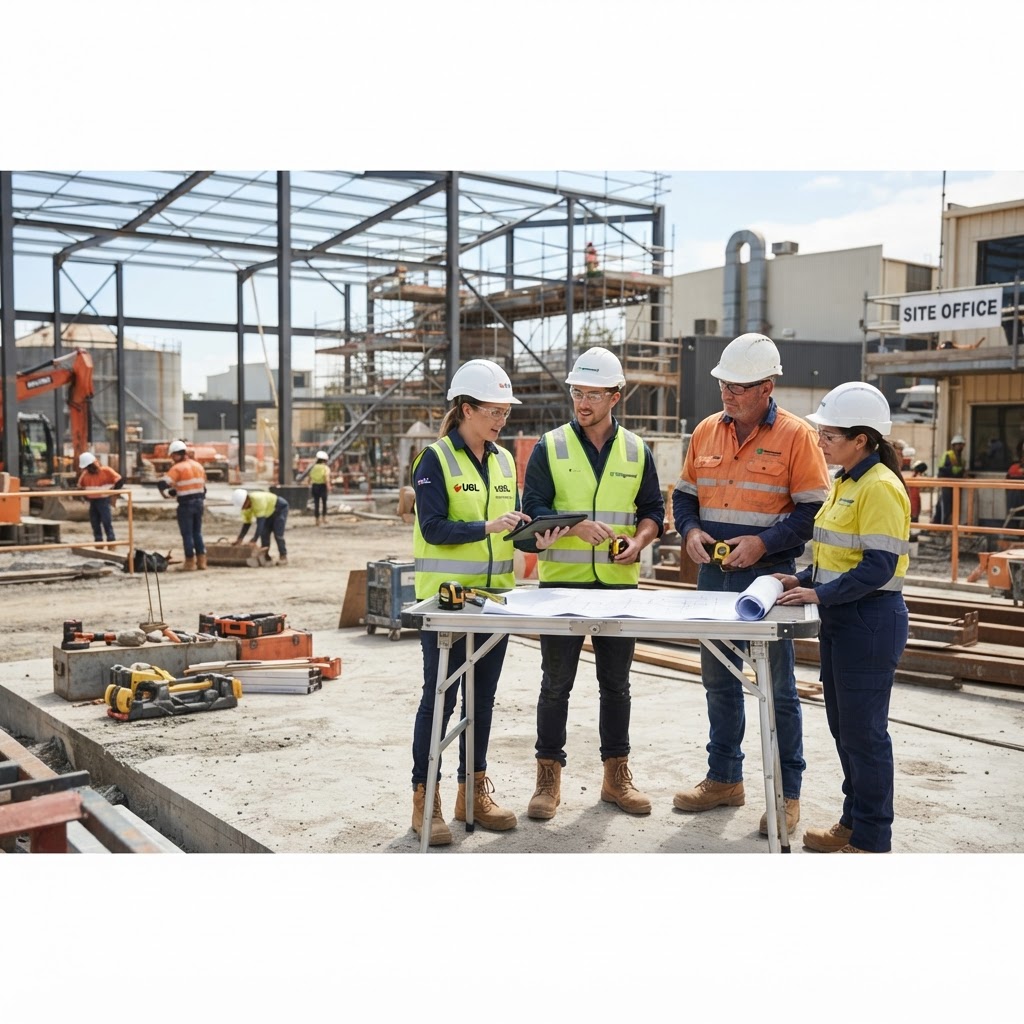
The traditional Australian industrial worksite is changing. For decades, the ultimate goal for most manufacturing plants, construction sites, and logistics hubs was to build a massive permanent headcount. But as project demands fluctuate and economic pressures mount, that rigid model is starting to crack.
Today, savvy site managers and operations directors are moving towards a blended workforce. This approach combines a solid core of permanent employees with a highly agile, contingent workforce that can scale up or down based on immediate project needs. It is a strategic pivot that makes perfect financial sense in an unpredictable market.
However, blending permanent and temporary workers on a busy site is not as simple as making a few phone calls to a traditional labour hire agency. If you want to maintain safety, productivity, and site culture, you need a smarter way to source and manage your flexible talent. Here is why the blended model is taking over, and how you can make it work for your operations.
The Rise of the Blended Blue-Collar Workforce
The shift towards contingent labour is no longer just about covering sick leave or a sudden spike in orders. It has become a deliberate strategy for building operational resilience.
According to recent data from Jobs and Skills Australia, recruitment difficulty remains incredibly high across the country, with over half of hiring employers struggling to fill vacancies. When you cannot find permanent staff, or when you only need specific skills for a six-month project, contingent workers bridge the gap.
There are a few major reasons why Australian businesses are embracing this mix:
- Cash control: Permanent headcount comes with heavy fixed costs, including superannuation, paid leave, and redundancy provisions. Using contractors allows businesses to free up capital and protect themselves against sudden market shifts.
- Speed to skill: When an urgent skills gap opens up on a site, hiring a contractor is almost always faster than going through a drawn-out permanent recruitment process.
- Managing peak rosters: Logistics and warehousing sectors experience massive seasonal spikes. A blended roster ensures you have the hands you need during peak times without carrying excess wage costs during the quiet months.
As noted in a recent Rippling report on Australian employment trends, hiring contractors in flexibility-critical industries is rising fast because it simply makes strategic sense for modern businesses.
The Hidden Traps of Traditional Labour Hire
While the blended model looks great on a spreadsheet, executing it on the ground can be messy. The traditional labour hire industry in Australia has left many employers frustrated and out of pocket.
When you rely on multiple agencies scrambling to fill a roster, you often end up with a race to the bottom. Agencies blast the same candidate resumes across town, leading to duplicate submissions and massive confusion. Worse, the focus shifts from finding the right skills to simply putting a warm body in boots so the agency can claim their fee.
This rushed approach creates real risks. When vetting is skipped or rushed, site safety plummets. Furthermore, a revolving door of poorly matched temporary workers can create an "us versus them" divide on the floor, dragging down the morale of your permanent team. You need agility, but you cannot afford to sacrifice quality.
Building a Better Blended Roster
To make a blended workforce actually work, you need to change how you source your contingent talent. This is where modern marketplace platforms are changing the game for Australian blue-collar hiring.
Move to a Neutral Vendor Marketplace
The old model of juggling five different labour hire agencies is inefficient and expensive. A neutral vendor marketplace model centralises the entire process. Employers post their requirements, and approved agencies or independent candidates supply the talent through a single, transparent platform.
This eliminates margin gouging and stops the annoying practice of multiple agencies submitting the exact same candidate. With exclusive candidate representation built into the platform, you know exactly who you are dealing with and where the talent is coming from. It brings order to the chaos of contingent hiring.
Insist on Skills-First Matching
When you need a forklift driver or a specialist welder for a three-week sprint, you do not care where they went to school or how nicely their resume is formatted. You care if they have the right tickets and the proven capability to do the job safely.
Skills-first matching strips away the fluff of a traditional CV. It focuses entirely on verified competencies, ensuring that the contingent workers stepping onto your site can hit the ground running from day one. This approach drastically reduces onboarding time and keeps your site productive.
Remove Bias with De-Identified Profiles
Safety and productivity thrive in diverse teams. However, unconscious bias often creeps into the rushed hiring of temporary workers. By using de-identified profiles, hiring managers are forced to evaluate candidates based purely on their skills, tickets, and experience.
Names, ages, and backgrounds are hidden during the initial screening. This not only levels the playing field for candidates but also helps employers meet their diversity tracking goals without compromising on capability. You get the best person for the job, every single time.
Integrating Your Flexible Talent
Sourcing the right contingent workers is only half the battle. The most successful Australian industrial sites treat their temporary workers with the same respect and care as their permanent crew.
A blended workforce requires a unified approach to onboarding. Even if a contractor is only on site for a month, they need to understand your safety protocols, your site layout, and your operational goals. When contingent workers feel valued and properly briefed, they work safer and harder.
As Korn Ferry insights on contingent workforce management highlight, interim talent is no longer a stopgap. It is a strategic asset that requires proper integration to deliver real value to your business.
Ready to Rethink Your Contingent Hiring?
The days of relying on a bloated permanent headcount or settling for subpar temporary labour are over. The future of Australian blue-collar work is agile, skilled, and blended.
If you are tired of the traditional labour hire runaround, it is time to try a smarter approach. Find Your People connects employers, agencies, and candidates through a transparent, skills-first marketplace designed specifically for the industrial sector.
Stop paying for warm bodies and start hiring verified skills. Book a demo with Find Your People today and see how our neutral vendor platform can transform your contingent workforce.
Sources
* Rippling, 9 surprising employment trends in Australia in 2025 (2025)
* Korn Ferry, Contingent Workforce Management - a Strategic Shift (2025)