
The Shifting Landscape of Australian Industrial Hiring
Finding reliable talent for Australian construction sites, manufacturing plants, and warehouses has never been more challenging. Site managers and recruitment agencies are constantly battling to fill rosters with qualified workers who will actually turn up and do the job safely. According to recent industry insights, recruitment difficulty has increased to 55 percent of employers, leaving many vacancies unfilled for weeks or even months.
This ongoing pressure is forcing a massive rethink in how industrial businesses evaluate potential hires. The traditional paper resume is rapidly losing its value. In a fast-paced warehouse or a high-risk mining site, a list of previous job titles tells a hiring manager very little about a worker's actual capability, safety awareness, or reliability on the floor.
Instead, forward-thinking employers are turning to operational data to make smarter hiring decisions. By focusing on measurable performance indicators rather than polished CVs, businesses are finding better matches, reducing site incidents, and keeping their projects on track.
Why Traditional Resumes Fail the Blue-Collar Test
For decades, the hiring process relied heavily on resumes and brief interviews. However, this approach is fundamentally flawed for contingent and blue-collar roles. A resume cannot accurately reflect a forklift driver's spatial awareness or a diesel mechanic's problem-solving speed under pressure.
The Rise of Data-Driven Recruitment
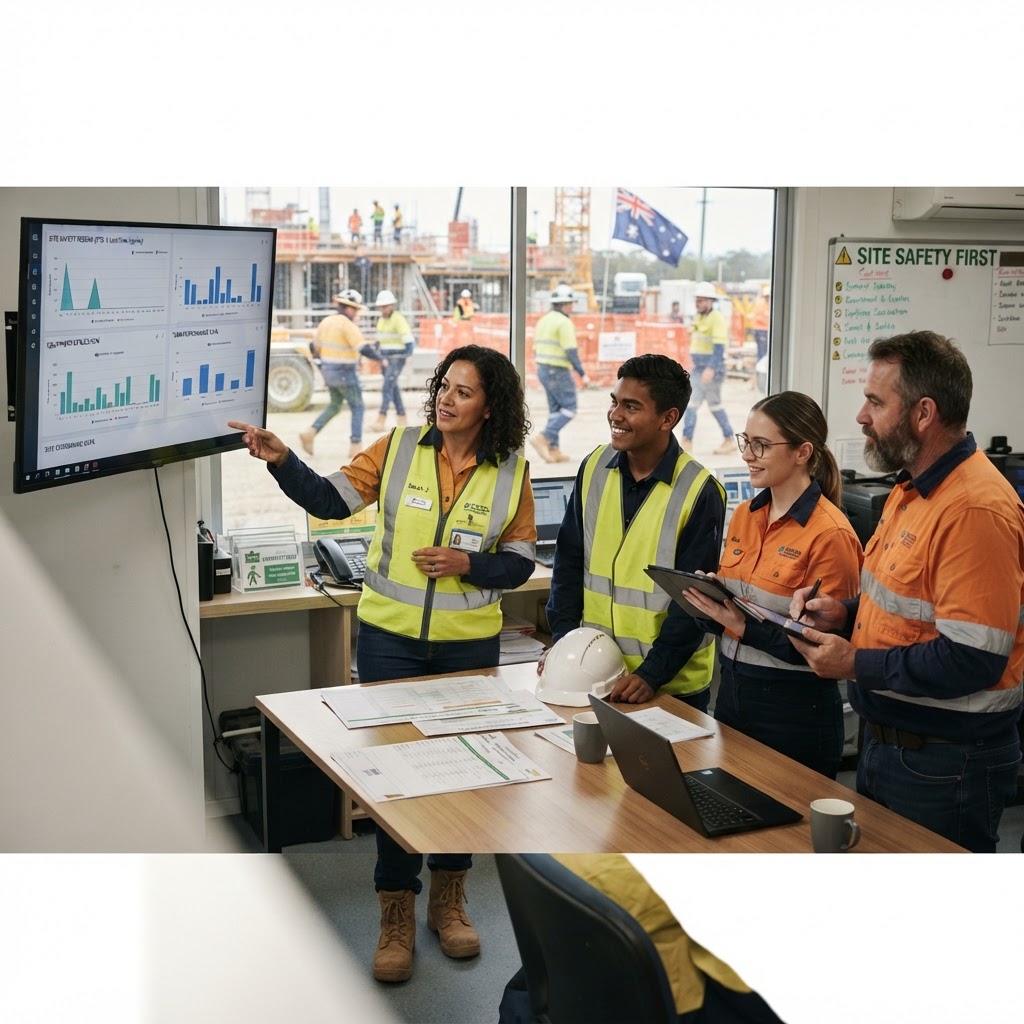
Employers are now assessing candidates based on hard operational data. As highlighted in Emerging Hiring Trends in the Blue-Collar Job Market (2024), businesses are looking at safety records, productivity rates, equipment operation experience, and maintenance performance. This shift toward data-informed hiring helps businesses improve workforce productivity while significantly reducing operational risk.
When you hire based on verified operational metrics, you remove the guesswork. You know exactly what equipment a candidate can operate and how safely they can do it. This is the core of skills-first matching, a method that prioritises practical capability over formal qualifications alone.
Levelling the Playing Field with De-Identified Profiles
One of the biggest advantages of moving away from traditional resumes is the opportunity to eliminate unconscious bias from the hiring process. When you focus purely on operational data and verified skills, the candidate's background, age, or gender becomes irrelevant to the initial screening process.
Using de-identified profiles ensures that hiring managers are looking strictly at what matters: the data. This approach not only broadens the talent pool but also supports robust diversity tracking. By monitoring your hiring mix through a data lens, you can build a more inclusive workforce without compromising on safety or skill.
Addressing the Compliance and Pay Gap
Fairness in hiring must also extend to fairness in payroll. A recent survey noted in 8 Workforce Trends in Australia in 2025 revealed that 43 percent of workers were deliberately or accidentally underpaid in 2024. When you use a structured, data-driven approach to hiring, you can better align verified skills with appropriate pay rates, ensuring compliance and building trust with your contingent workforce.
The Power of a Neutral Vendor Marketplace
Managing this influx of operational data and ensuring fair, unbiased hiring can be overwhelming for internal HR teams. This is where a neutral vendor marketplace model truly shines. By centralising the sourcing and vetting process, a neutral platform ensures that all candidates are evaluated against the same operational metrics.
Exclusive Candidate Representation
In a fragmented labour market, candidates are often submitted by multiple agencies, leading to confusion and bidding wars. A platform that enforces exclusive candidate representation cleans up this mess. It ensures that employers are seeing a single, verified profile for each worker, backed by real operational data. This streamlines the hiring process, reduces time-to-fill, and provides a much better experience for the candidate.
Building a Safer, More Productive Future
Transitioning to a data-driven, skills-first hiring model is no longer just a nice idea for Australian industrial sites. It is a critical step for any business wanting to remain competitive, safe, and productive in a tight labour market. By embracing operational metrics, de-identified profiles, and a neutral vendor approach, employers can finally stop guessing and start building the reliable workforce they need.
Ready to see how operational data and skills-first matching can transform your contingent workforce? Book a demo with Find Your People today and discover a smarter way to hire.
Sources
IRP, Emerging Hiring Trends in the Blue-Collar Job Market (2024)